Women's Wellness
Normal Delivery vs C-Section: How Is Postpartum Bleeding Different?
Does a C-section mean less bleeding? Does a normal delivery heal faster? Here is a simple side-by-side look at bleeding, pain and recovery after both.
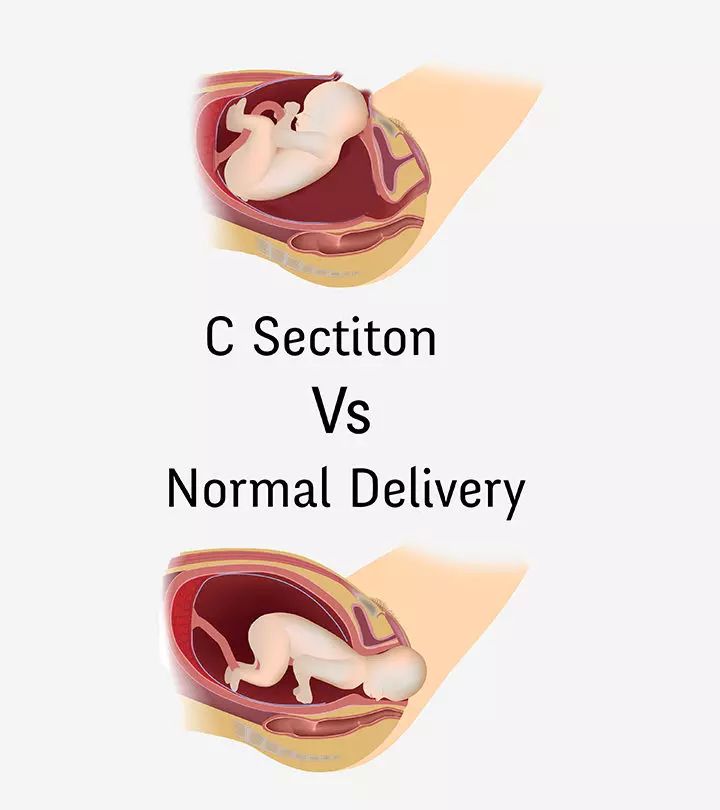
Two ways to bring a baby into the world. Two different recoveries. And one thing they share: bleeding.
If you have had a C-section, someone has probably told you, "You won't bleed much." If you had a normal delivery, someone may have said, "You will recover faster." Some of this is true, and some is not. Let's look at what really changes and what doesn't.
Does a C-section mean no bleeding?
No. This is one of the most common myths. After any delivery, the womb has to clean itself out, and this bleeding is called lochia. It happens after a normal delivery and after a C-section.
Some women feel the bleeding is a little lighter in the first days after a C-section. But it can still go on for around four to six weeks, just like after a normal delivery. So please don't assume you will not bleed.
Normal delivery: what to expect
Bleeding is usually heavy for the first few days, then slowly gets lighter
You may have stitches or a tear in the area between the vagina and anus, which can sting or hurt when you sit
Passing urine and stool can feel uncomfortable for a few days
You are usually able to walk and move around sooner
Your pelvic muscles may feel weak or sore
C-section: what to expect
You have bleeding from the womb (lochia), and also a wound on your belly that needs care
Pain around the cut, especially when you cough, laugh, sneeze or get out of bed
Gas and bloating are common in the first few days
You will need to avoid lifting heavy things, and your doctor may also say not to drive for a while
Feeding the baby can be tricky at first, because lying or sitting in some positions hurts
What is the same in both
Lochia lasts around four to six weeks
It starts red, then becomes pink or brown, and finally light yellow or white
Small clots can be normal in the early days
You need rest, good food, plenty of water and your six-week check-up
You can feel tired, weepy or low in the first weeks
Tips if you had a normal delivery
Keep the stitched area clean and dry, and follow your doctor's advice on washing
Change your pad often, and pat the area dry instead of rubbing
Ask your doctor about gentle pelvic muscle exercises
Eat fibre and drink water so that passing stool is easier
Tips if you had a C-section
Hold a small pillow against your belly when you cough, laugh or get up
Get out of bed slowly, rolling to your side first
Keep the wound clean and dry, and follow the dressing advice from your doctor
Take short, slow walks as advised, since moving a little helps with gas and blood flow
Choose soft, loose clothes and underwear that don't press on your wound
A note on pads and panties
Whichever delivery you had, comfort matters. Pick something soft that doesn't feel tight around your stitches or your wound, and change it often, especially at night. If you are not sure what is right for you, ask your doctor.
Call your doctor straight away if you notice
A pad full of blood in one hour
Clots bigger than a golf ball
Fever or chills
A bad smell from the discharge or from the wound
Redness, swelling or pus at the stitches or the C-section wound
Wound opening up
Pain that is getting worse instead of better
Dizziness, fainting or a racing heartbeat
Stop comparing
Your cousin may have walked around on day two. Your friend may have needed weeks to feel normal. Every body heals at its own pace, and neither delivery is "easier." Both deserve rest, care and kindness.
Where Dreamease can help
Heavy bleeding in the first weeks is tiring, whichever way your baby was born. Our disposable period panty gives full coverage and up to 8 hours of protection, so you can rest more and worry less.
And if you have a question and don't know who to ask, you can talk to a gynaecologist on Dreamease for just ₹49.
This article is for general information. It doesn't replace advice from your own doctor.